

Arabian leopards in DC, the red-necked ostrich in Saudi Arabia, Colorado furbearers ... and more ...

What’s been happening in the wild kingdom … July 2026 stories …
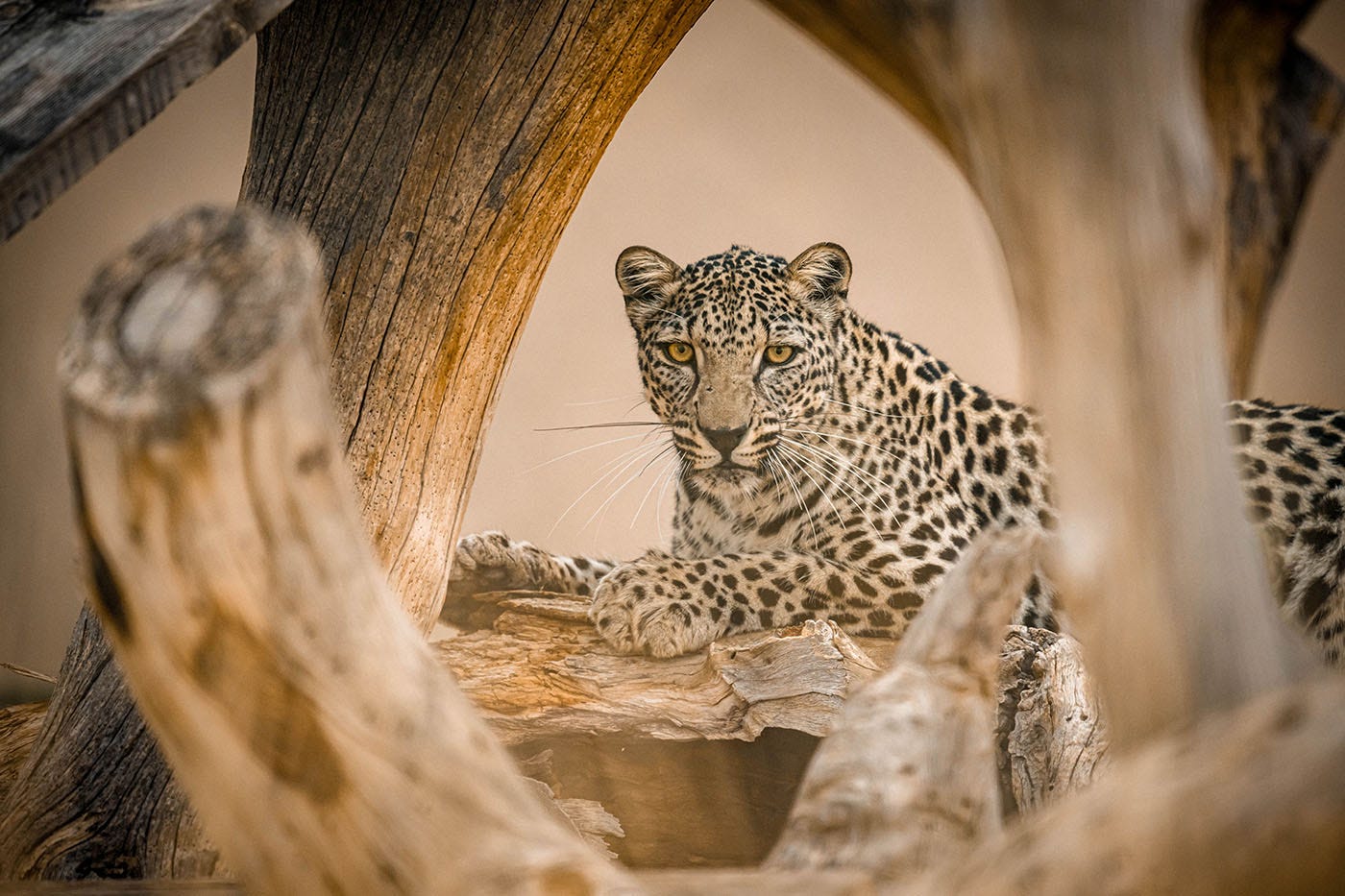

DC National Zoo to open Arabian leopard habitat
By 2029, the Smithsonian National Zoo is expected to be a new home for a breeding pair of endangered Arabian leopards.
Natives of the Arabian Peninsula, the leopards — as with so many species — struggle to live on Earth due to poaching and habitat loss. It’s estimated that fewer than 120 Arabian leopards are in the wild, living in a fraction of their historic range. They are the smallest of eight leopard subspecies.
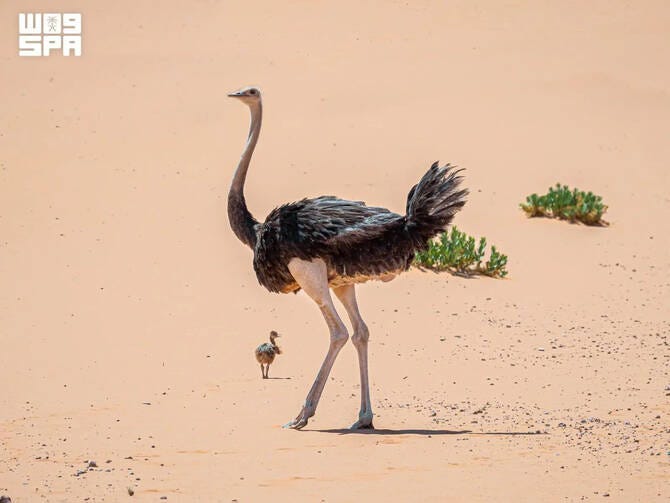
Conservation program gives red-necked ostrich a boost
Life for Saudi Arabia’s iconic desert bird, the red-necked ostrich, is looking up, as new breeding successes and a national rewilding effort are showing results, restoring the bird to its historic range.
The red-necked ostrich is the world’s largest bird, with fewer than 1,000 believed to live in the wild across Africa’s Sahel region.
The reintroduction of the red-necked ostrich is the 12th of 23 historically native species being restored to a 9,500 square-mile reserve in northwestern Saudi Arabia.
Read more here.

Tech, foot patrols aid poaching reduction in Vietnam
Vietnam’s Pu Mat National Park is combining technology and on-the-ground patrols to reduce poaching pressure in the park. To identify trafficking hotspots and guide patrols more strategically, the park’s antipoaching unit uses SMART data aggregation software and remotely monitored “Poacher Cams.” Members of the antipoaching team say they see signs of wildlife returning to places that were once heavily poached.
Read more at Mongabay here.

Colorado and its furbearers
In July, the Colorado Parks and Wildlife (CPW) Commission voted to end the practice of allowing the unlimited killing of coyotes, bobcats, foxes, badgers and other furbearing species. Under the new policy, hunters and trappers will not be allowed to kill more than two animals of each species per day.
Project Coyote played a significant role in achieving this change. The organization recently released a report that the CPW lacks sufficient evidence to support the longstanding, status quo policy of unlimited killing of all furbearers.
Unfortunately, CPW reversed a plan to develop rules that would restrict commercial fur sales. By so doing, the financial incentive to continue hunting and trapping of animals classified as furbearers remains.
Read the full report from Project Coyote here.

Trump takes land from Bears Ears, Grand Staircase-Escalante National Monuments for second time
President Trump hopes to strip two National Monuments, Bears Ears and Grand Staircase-Escalante, of 3 million acres. This is his second attempt at a land grab; he tried to reduce the size of the monuments in his first administration.
Trump’s latest executive orders will likely result in legal challenges, as did the first time he shrank the monuments. Voters polled in seven Western states found that support for keeping existing national monument designations in place has increased from 88 percent in 2025 to 91 percent in 2026.
Read more here from the Center for Biological Diversity, as well as here, here and here.

End testing on animals for drug development
The U.S. House of Representatives has passed the FDA Modernization Act 3.0 (H.R. 2821), bipartisan legislation that will help accelerate the transition away from outdated animal testing and toward modern, human-relevant methods for developing new medicines.
Next up is the Senate vote.
Please contact your U.S. Senators and urge them to pass H.R. 2821, the FDA Modernization Act 3.0. Contact via Animal Wellness Action form here.
VERY IMPORTANT!
Trump guts Endangered Species Act with one change
Click on the item below to read the commentary by Rhett Ayers Butler.

Wildlife needs space to survive. Please tell elected official to step up and protect endangered species, starting by restoring the “harm” definition in the Endangered Species Act. Contact your government representatives directly and/or use this Action Alert from the Center for Biological Diversity here.

Lit cities, hot summers keep some cicadas singing at night
Two common species of cicada keep the music going at night in urban areas of Japan, but not in protected green spaces with no artificial lighting, researchers found.
The study suggests that higher city temperatures and streetlights may be modifying the daily schedule of cicadas.
Read more in The Japan Times here.
Make a Mammoth Statement on
Wed. 12 Aug, World Elephant Day
Start a conservation conversation when you wear this elephant t-shirt.
An estimated 450,000 elephants live on Earth today (versus more than 8,000,000,000 humans). The African elephant population has dropped 62 percent in the last decade. At the top of the 20th century, there were an estimated 10 million elephants.
Encourage support of anti-poaching organizations and wildlife organizations that work for elephants.

$26 | Sizes XS to 3XL | Offered in five colors

Back of shirt.

Shop for more elephant-themed items at the Wildlife Matters Store here.