

Wildlife News
January 2026

Wildlife news from the month I found interesting … you may too! 😊
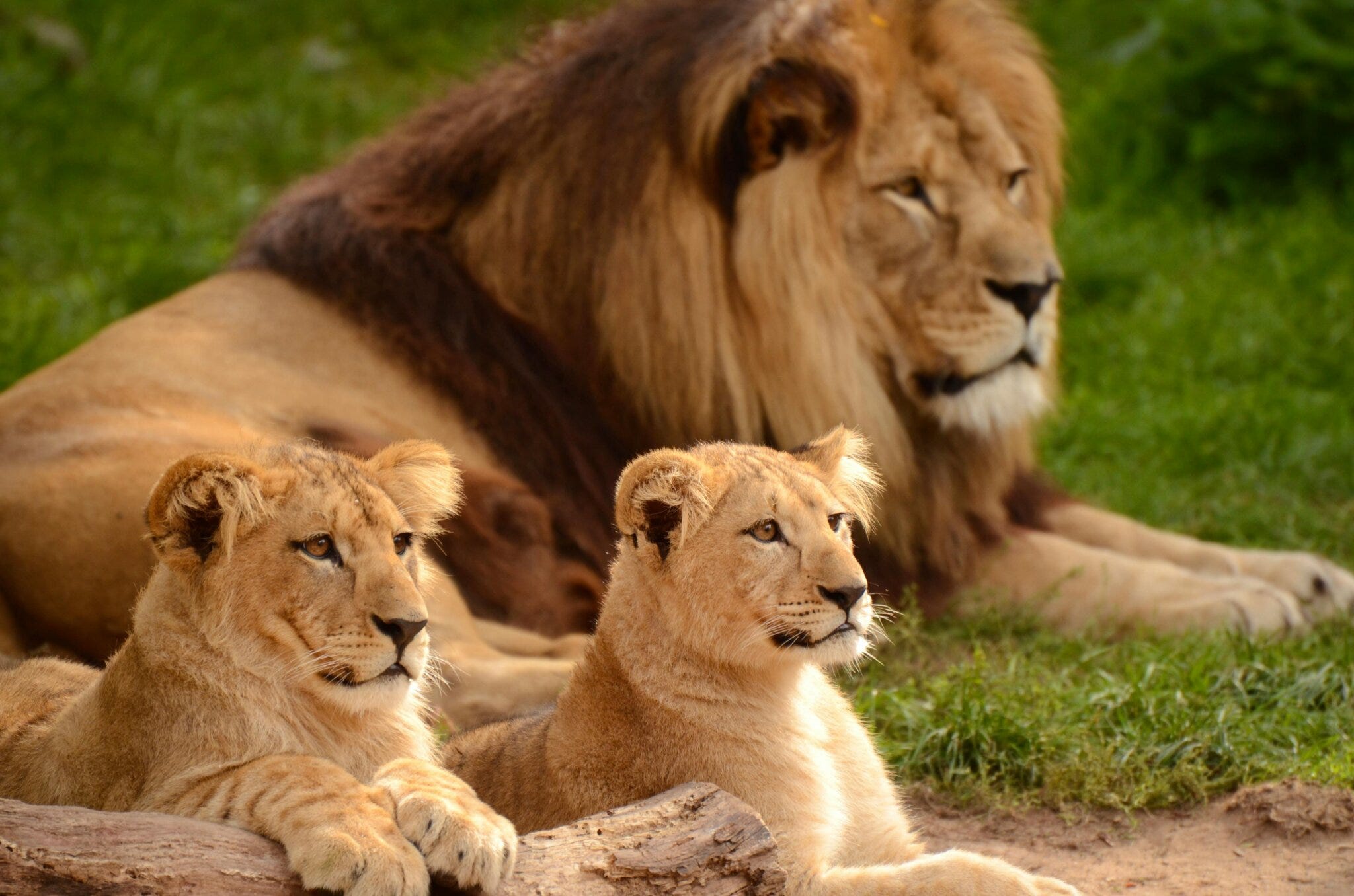
Targeted Poaching is Existential Threat to African Lions
Driven by demand in African and Asian markets, lions (Panthera leo) in Africa are targeted for their body parts in the illegal wildlife trade. Targeted poaching is different from other reasons for the decline of the lion by prey depletion, habitat loss and persecution. According to a study published in Conservation Letters / A Journal of the Society for Conservation Biology, this existential threat to African lions is poorly understood, underreported and growing, with organized transnational crime playing a role.
Read more here.
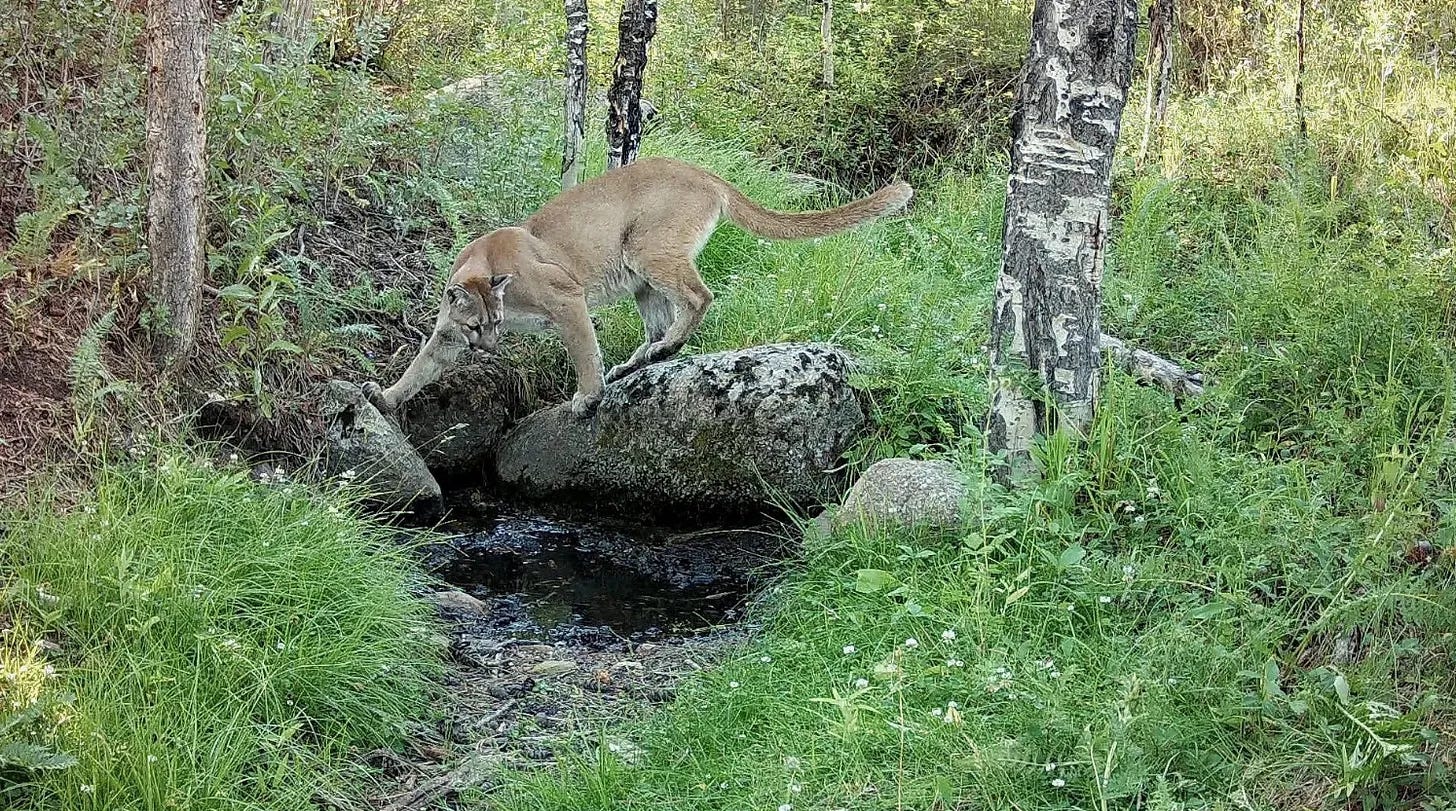
The Value of the Wild
Our health, joy and peace are dependent on spending time in wild places, writes David Neils of Wild Nature Media.
Read more here.
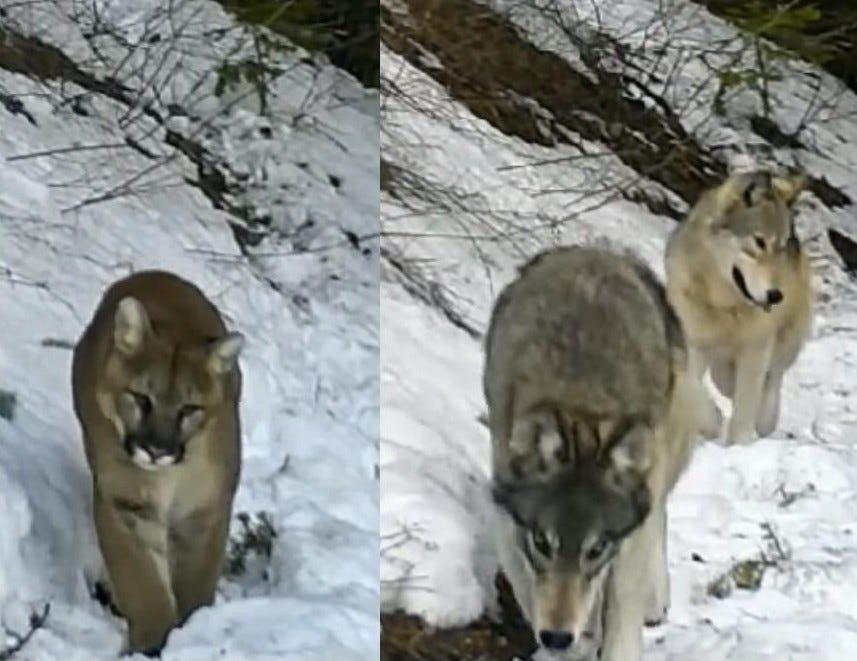
When Cougars Change Menus, they may Avoid Wolf Interactions
When cougars and wolves cross paths, it’s rarely friendly. But as these two apex predators increasingly share territory across the western United States, a new study suggests cougars may be finding ways to avoid conflict by changing what’s on their menu.
One way is shifting to smaller prey that can be eaten faster, reducing the chances of a deadly encounter.
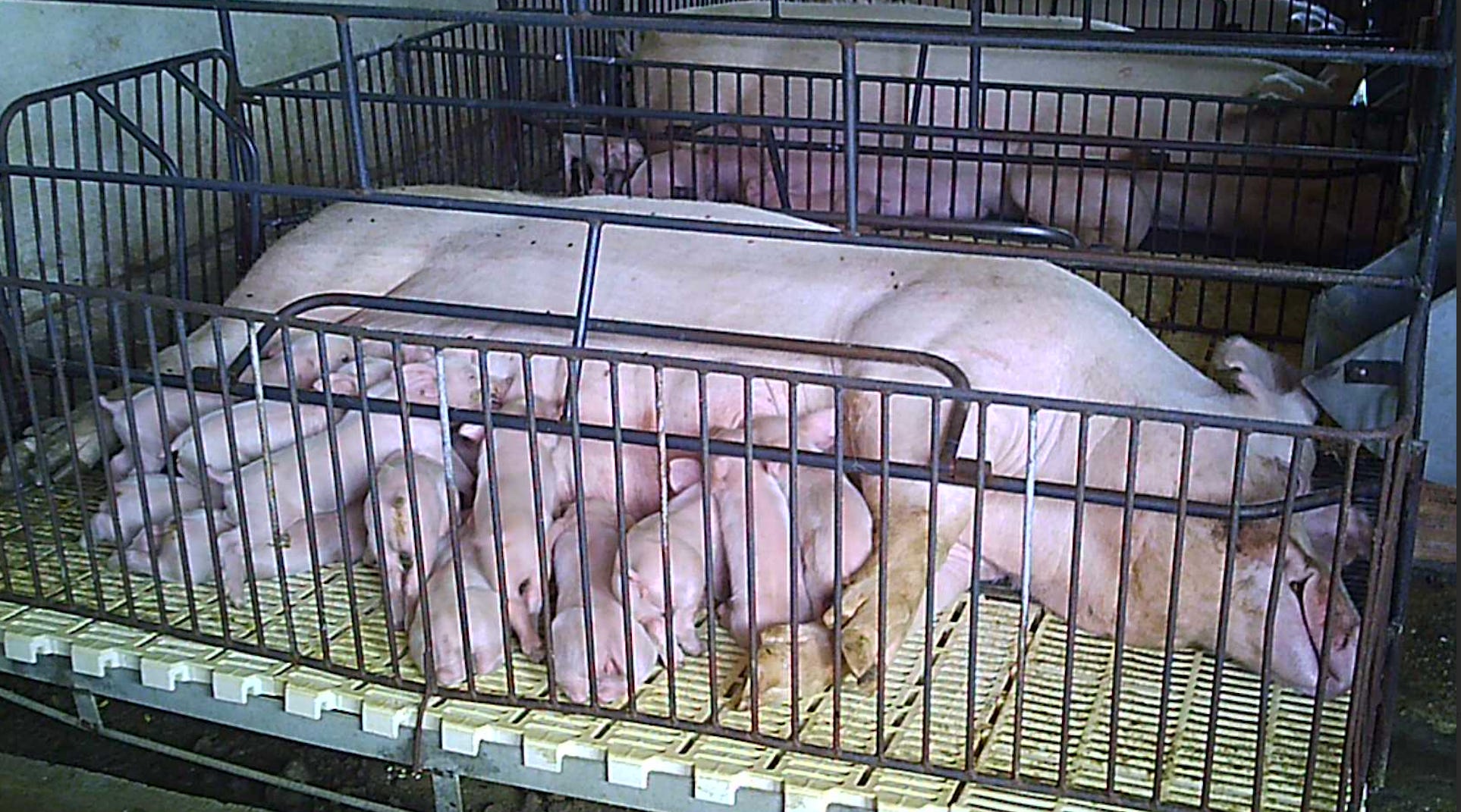
Ohio is 11th State to Limit Use of Gestation Crates for Breeding Sows
Earlier this month, Ohio became the 11th state to limit the use of gestation crates for breeding sows, restricting an extreme confinement measure that keeps pigs in metal traps so small the animals are unable to turn around or fully extend their limbs.
Read more here.
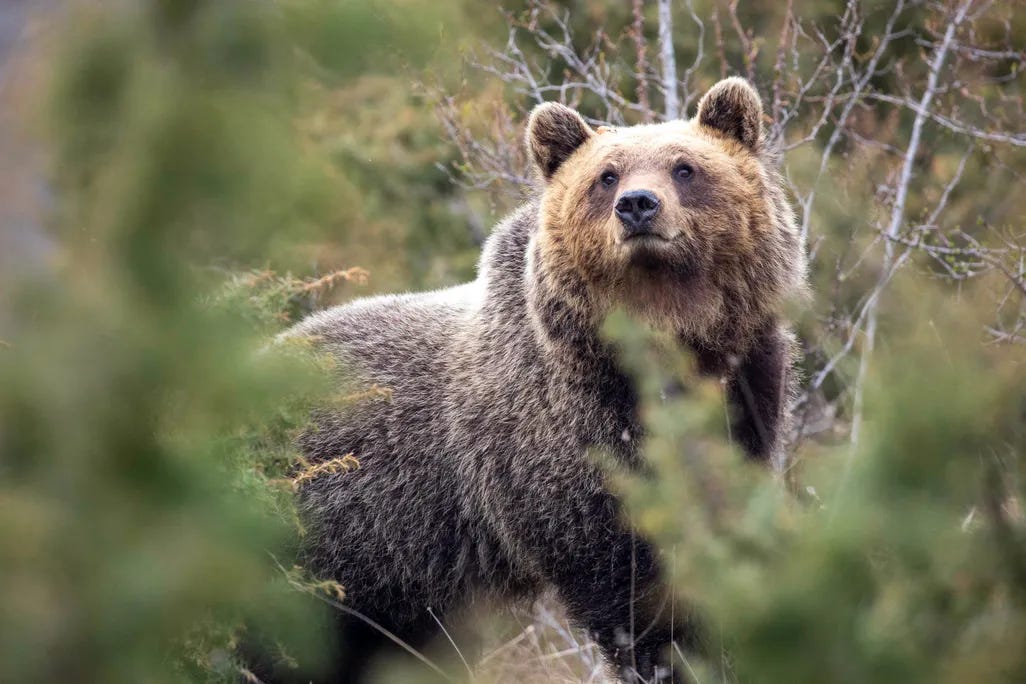
Italian Bears Living Among the Humans
Apennine brown bears have lived alongside people in central Italy since at least the days of the Roman Empire. This prolonged proximity to humans appears to have affected the isolated creatures’ genes, causing the animals to become less aggressive than other brown bears, according to a study published in Molecular Biology and Evolution.
There remain only an estimated 50 of these bears living in the wild.
Read more here.
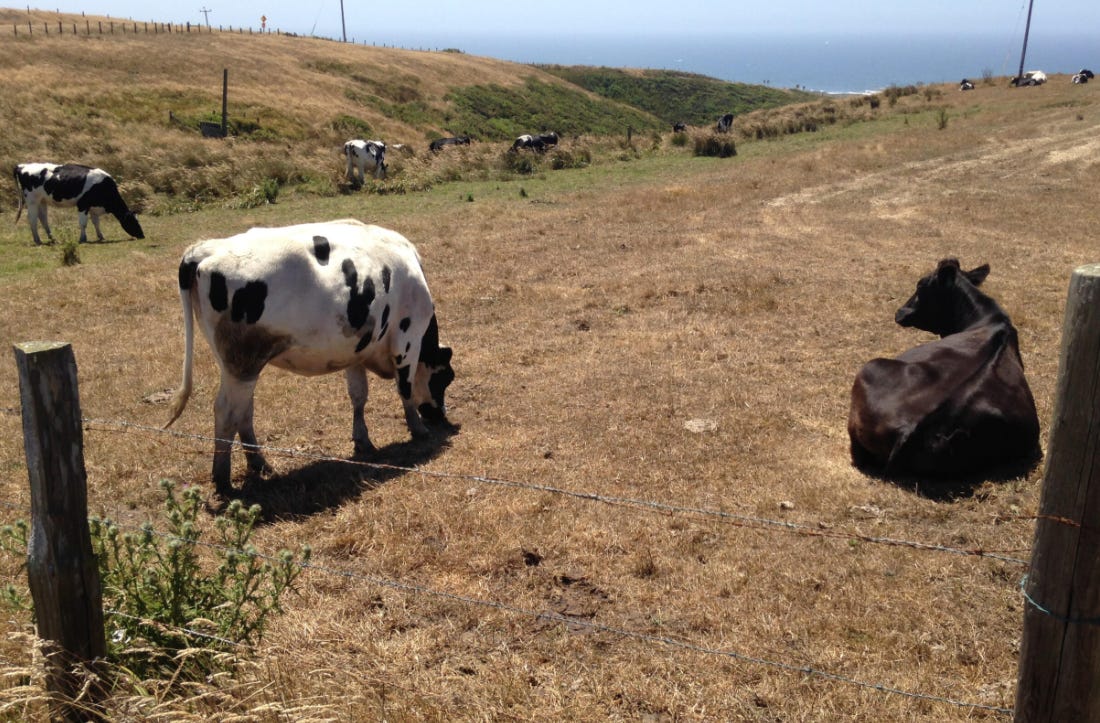
Ranchers: Not the ‘Original Conservationists’
After the Bureau of Land Management finalized sweeping amendments to greater sage grouse management plans across several states, the livestock industry was quick to declare a win.
Industry leaders praised the plans for recognizing ranchers as “the original conservationists” and for elevating livestock grazing as a tool for habitat protection, sage grouse recovery and wildfire prevention.
“This framing of cattlemen as mythic ecological heroes is not new,” writes long-term conservationist Jonathan Ratner. “It is one of the most durable propaganda tropes in western land politics. And like most durable myths, it is repeated not because it is true, but because it is useful.”
Read more here.
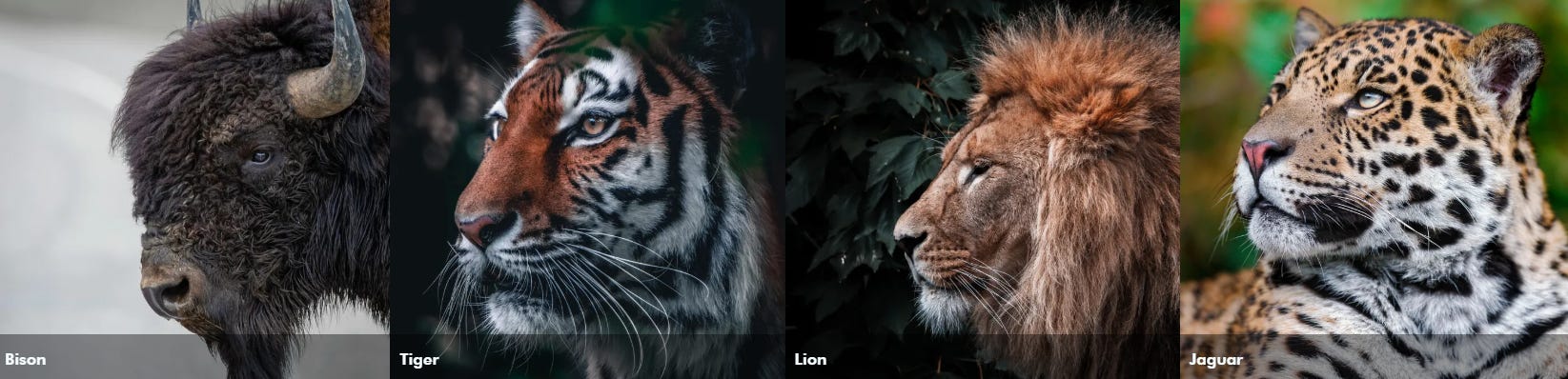
Mapping Habitat of Wildlife
NASA-funded research led by the Wildlife Conservation Society helps visualize habitat availability for wildlife.

In Defense of Animals Names 10 Worst Zoos for Elephants
Zoos in Houston, Wichita, Omaha, Denver, Albuquerque, Oklahoma City, Fresno and Tulsa, as well as Ontario, Canada, and Powell, Ohio made the 10 Worst Zoos for Elephants List. The list is produced by In Defense of Animals, an animal protection organization.
See why at the link below.
Read more here.

New Laws to Protect Animals
Some good news to start the New Year — new laws are in place to protect animals. Among them are a law in California which makes cat declawing, unless medically necessary, illegal; a law in Florida making it a crime to abandon pets or leave them tied up outside during disasters, and at the federal level, U.S. Attorney General Pam Bondi, Department of Agriculture Secretary Brooke Rollins and Health and Human Services Secretary Robert F. Kennedy Jr. committed to fighting the cruelties of dogfighting, puppy mills and animal testing.
Read more here.
Maria Fotopoulos writes about the connection between overpopulation and biodiversity loss, and occasionally other topics that confound her.
Shop the Wildlife Matters Store!

I look forward to Wildlife News every month. The newsletter is consistently interesting, and informative readers can catch up on all the important Animal news, including many items that they have probably missed during the month.