

Wildlife News
February 2026

A recap of interesting wildlife news from last month …
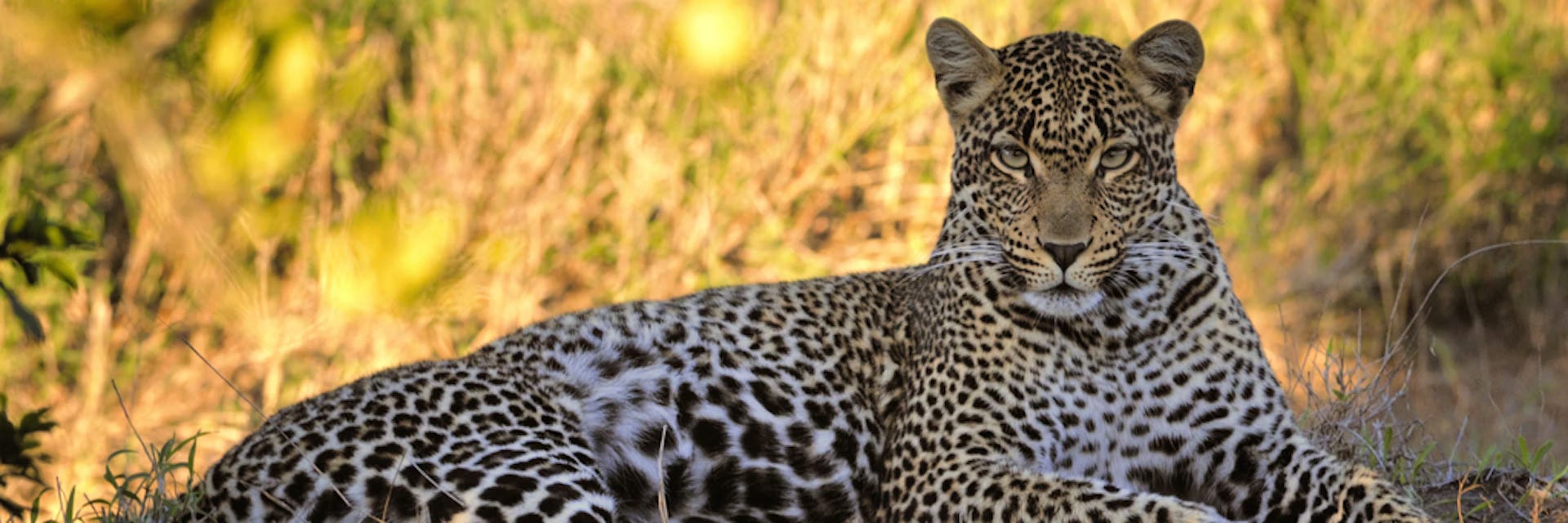
Isolated Leopards of South Africa’s Cape Adapted So Well to their Habitat that They’re Genetically Unique
Leopards living in most of sub-Saharan Africa have variation in body size, coat color and skull shape. Leopards living in open habitats tend to be larger and paler, generally, while those in forested areas are often smaller and darker. Cape leopards are not just smaller than other African leopards, they’ve also formed their own genetic group separate from the leopards in eastern and southern Africa, because they’ve been long isolated from other leopards and have adapted to one region.
Read full story here.
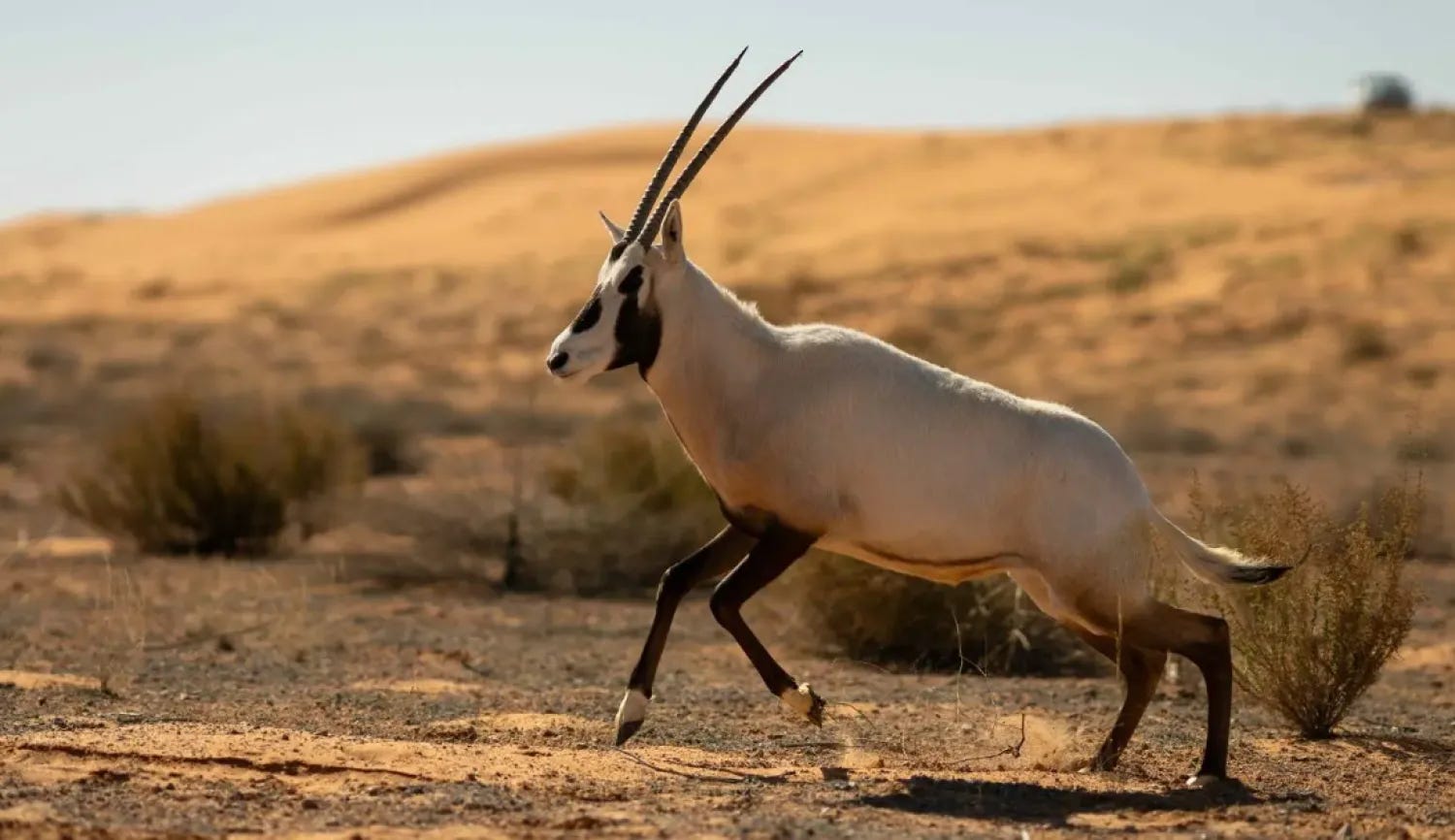
Saudi Arabia Releases more than 10,000 Animals into the Wild through Programs for Threatened Species
The National Center for Wildlife, a government agency created in 1986 for the protection and preservation of wildlife in the Kingdom of Saudi Arabia, announced that more than 10,000 animals have been released under breeding and reintroduction programs for locally threatened species. The release is an example of the Kingdom’s long-term work to rebuild wildlife, repair damaged ecosystems and support biodiversity across regions, in line with national environmental goals. Sand gazelles, Arabian oryx, Idmi gazelles, mountain ibex, houbara bustards, ostriches and sandgrouse are among the animals that the Kingdom has focused on supporting.
Read story here.
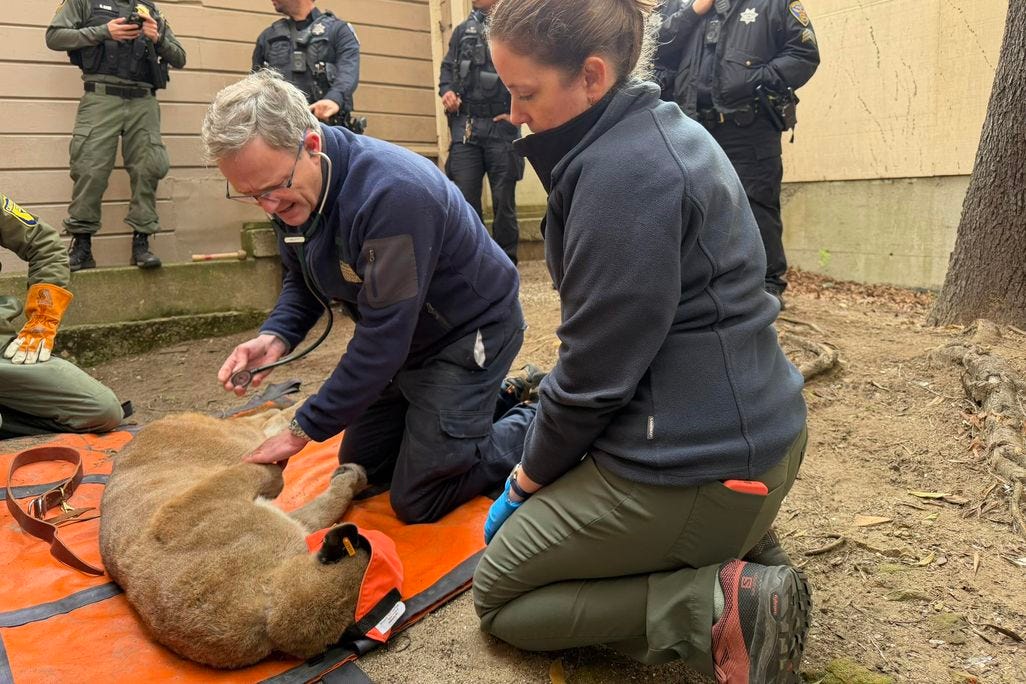
Mountain Lion Visits Pacific Heights in San Francisco
City life and wildlife rarely mix well. Fortunately, a young male mountain lion that wanted to see the Bright Lights, Big City is safe. Wildlife officials were able to tranquilize and cage the cat, tagged as 157M, who had traveled to a Pacific Heights neighborhood in San Francisco. The wildlife team planned to release 157M to a rural part of the San Francisco Peninsula.
Read story here.
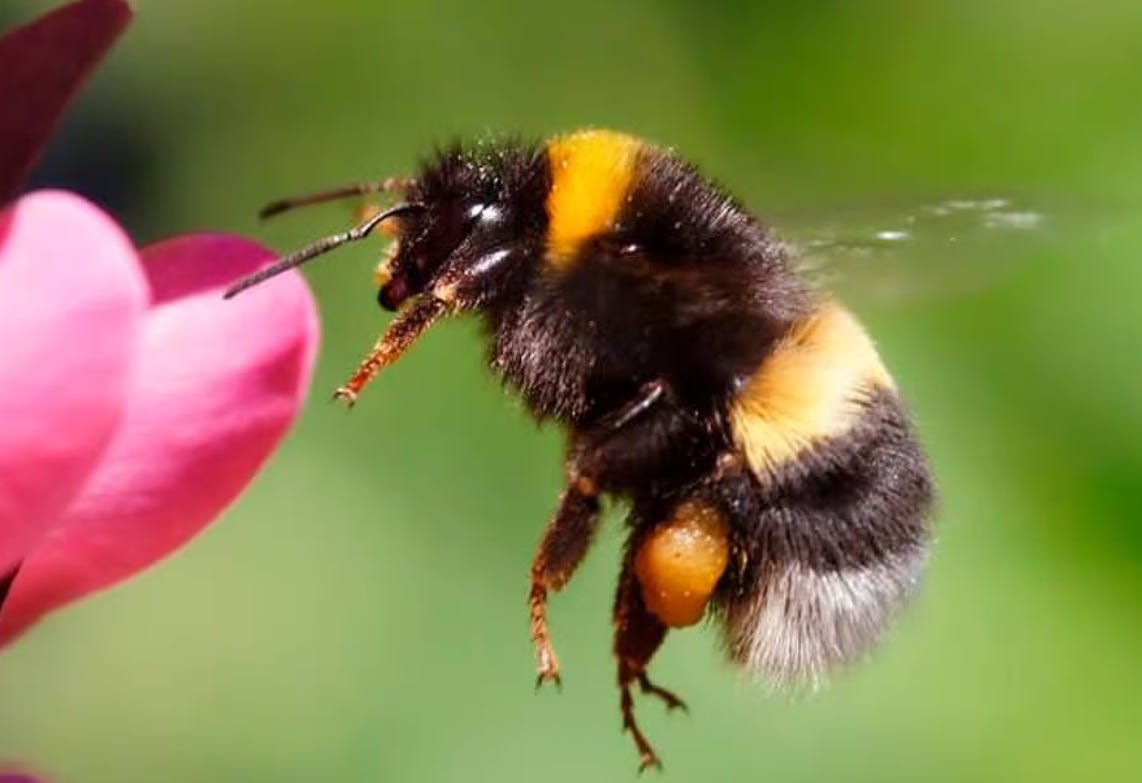
Bees Benefit from Wildfires
Recent studies have shown that native bee species and numbers often increase after a wildfire. In the long run, many native bees flourish after severe wildfire, even with the initial loss of habitat and numbers. How can this be? Opening the forest canopy means more sunlight reaches the forest ground. This in turn can prompt flower germination. The increase in dead wood, cavities created by wood-boring insects and leaf litter can also lead to higher bee numbers.
Read more here.
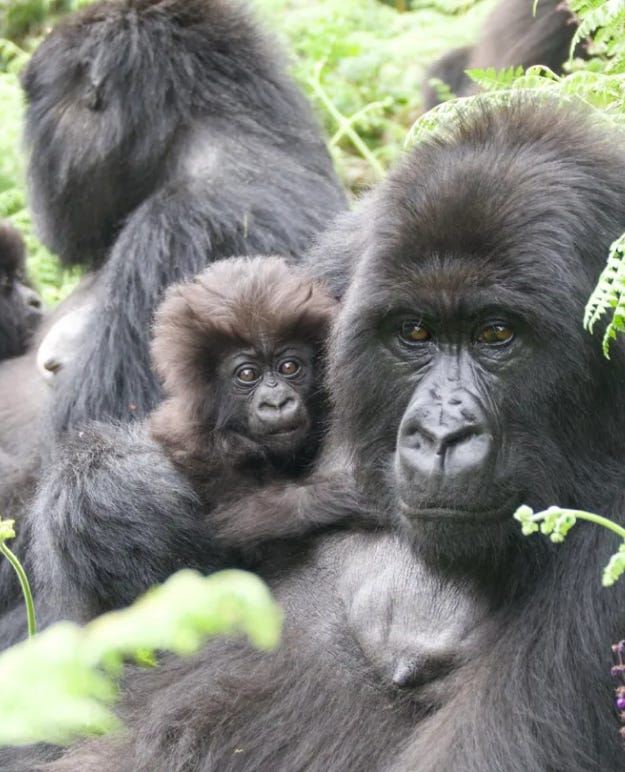
Why Gorilla Moms Keep Holding Infants after Death
A newly published long-term study of mountain gorillas has provided the most comprehensive insights yet into why female gorillas, and sometimes other group members, continue to carry infants after they die, sometimes for days or even weeks. “This study shows what becomes possible with nearly 60 years of continuous data – we can move beyond anecdotes to understanding patterns in these rare, emotionally powerful moments,” says Dr. Tara Stoinski, Fossey Fund President and CEO/Chief Scientific Officer. “What’s particularly striking is how the circumstances of death shape maternal behavior. The finding that traumatic versus non-traumatic deaths lead to such different responses tells us something important about how gorillas perceive and process loss – insights we could only gain through systematic, long-term observation.”
Read more here.

Captive Unvaccinated Tigers Die in Thailand
Seventy-two captive tigers at two tourist locations in Chiang Mai, Thailand, died over a ten-day period. Canine distemper virus and mycoplasma bacteria were found in the cats. The Wildlife Friends Foundation Thailand (WFFT) said: “When such substantial income is generated from each tiger, serious questions must be asked: Why were these animals not routinely vaccinated against a well-known, preventable disease? And why were they not housed in conditions where the likelihood of disease transmission was minimized?” Remaining animals were to be vaccinated.
Read more here.
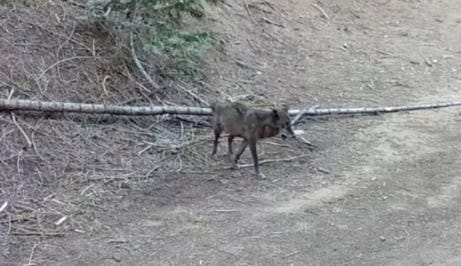
Lone Wolf Makes it Way to L.A. County
California wildlife officials say that the wolf seen in Los Angeles County in early February was the first documented sighting of a wolf in the area for at least 100 years. The wolf, known as BEY03F, is wearing a GPS collar. According to tracking information, the three-year-old female, born in Plumas County’s Beyem Seyo Pack, has traveled more than 370 miles and walked the length of the Sierra Nevada to get to L.A. County. In her travels, she crossed State Route 59 three times near Tehachapi.
More here.
Maria Fotopoulos writes about the connection between overpopulation and biodiversity loss, and occasionally other topics that confound her.
Shop for St. Paddy’s Day
Purchases Help Support Wildlife Matters



As she does every month, Maria provides insights into the animal world. Some are uplifting like the rescued mountain lion in LA.